
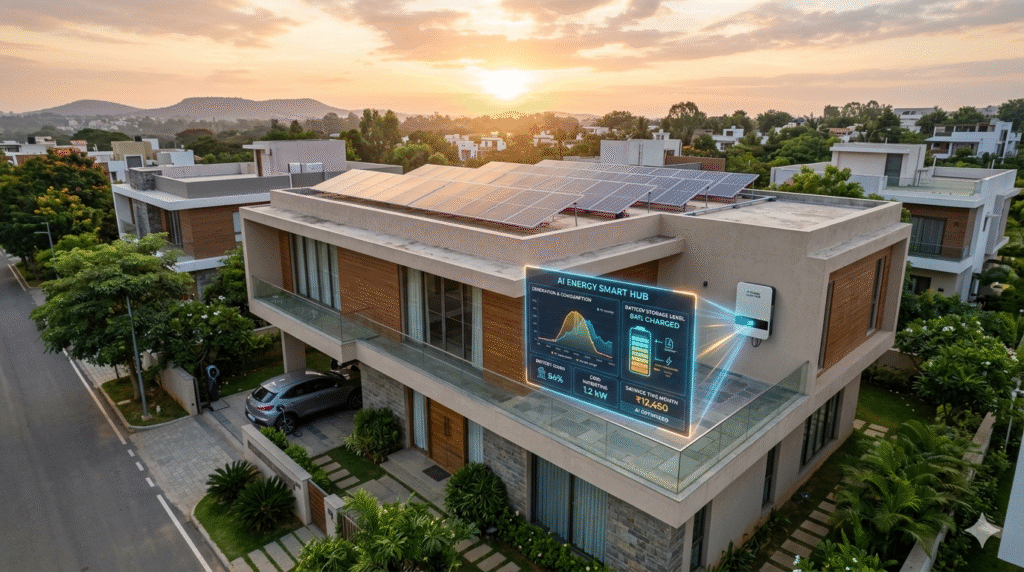
The way we generate and use electricity at home is undergoing a major shift. Solar power is no longer just about installing panels and reducing bills—it’s about intelligent energy management. In 2026, smart solar inverters powered by artificial intelligence (AI) are transforming homes into self-optimizing energy systems.
For homeowners working with providers like VMJ Solar Solutions, this evolution means more control, better efficiency, and smarter savings. But here’s the real question: are you just generating solar power, or are you actually managing it intelligently?
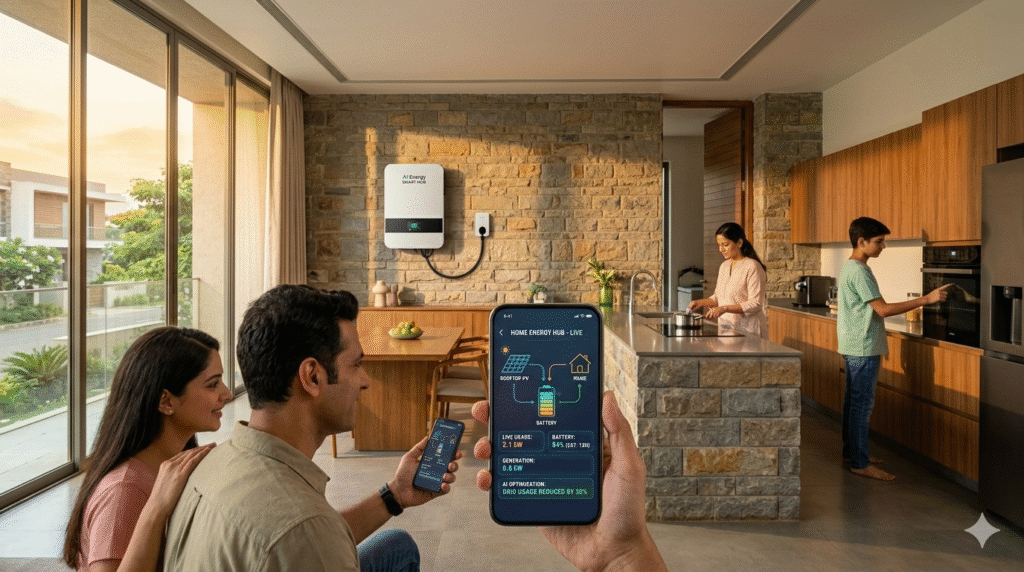
2. What are Smart Solar Inverters?
A solar inverter has always been the “brain” of a solar system, converting DC power from panels into usable AC electricity. But smart solar inverters go far beyond that basic function.
Key Features:
- Real-time energy monitoring
- Grid interaction and feedback control
- Battery integration and management
- Remote access via mobile apps
- AI-driven optimization
Unlike traditional inverters, smart inverters actively decide when, where, and how electricity should be used inside your home.
Think of it this way: a normal inverter reacts. A smart inverter anticipates.
3. Role of AI in Home Electricity Management
Here’s where things get interesting—and where most homeowners underestimate the impact.
AI is not just a fancy add-on. It’s the core engine that turns a solar setup into a predictive energy system.
How AI is Changing the Game:
1. Predictive Energy Usage
AI studies your daily patterns:
- When you use the most electricity
- Which appliances consume the most power
- Seasonal variations
It then predicts demand and allocates solar energy accordingly.
2. Smart Battery Management
Instead of randomly storing energy, AI decides:
- When to store excess solar power
- When to use battery vs grid
- When to sell power back (if net metering applies)
This maximizes ROI—something most systems fail to do without intelligence.
3. Load Prioritization
Not all appliances are equal. AI ensures:
- Essential loads (like refrigerators) get priority
- High-consumption devices run during peak solar generation
4. Grid Interaction Optimization
Smart inverters can:
- Adjust output based on grid demand
- Prevent overloads
- Improve grid stability
This is especially relevant in regions with fluctuating power supply.
4. Benefits of Smart Solar Inverters
Let’s cut through the marketing claims and focus on what actually matters.
1. Higher Energy Efficiency
AI reduces wastage by aligning production with consumption. You’re not just generating power—you’re using it intelligently.
2. Lower Electricity Bills
By optimizing when to use solar, battery, or grid power, smart inverters can significantly reduce dependency on external electricity.
3. Better Return on Investment (ROI)
A standard solar system might take years to fully pay off. A smart system accelerates savings by eliminating inefficiencies.
4. Real-Time Control and Visibility
You can monitor:
- Energy production
- Consumption patterns
- Savings
All from your smartphone.
5. Future-Ready Integration
Smart inverters easily integrate with:
- Electric vehicles (EVs)
- Smart home systems
- Advanced battery storage
If your system isn’t future-ready, you’re already behind.
5. Future Trends: What to Expect in 2026
The solar industry isn’t slowing down—it’s accelerating. Here’s what’s shaping 2026:
AI + IoT Integration
Smart homes and solar systems are merging. Your inverter will communicate with appliances, EV chargers, and even weather systems.
Self-Learning Systems
AI will continuously improve without manual input. The longer you use it, the smarter it gets.
Peer-to-Peer Energy Trading
Homeowners may soon trade excess solar energy directly with neighbors using blockchain-backed systems.
Voice-Controlled Energy Systems
Imagine asking your home assistant to optimize energy usage—and it actually works.
Hyper-Personalized Energy Plans
No more generic setups. Systems will be tailored to your lifestyle, not just your roof size.
FAQs
Q1: Are smart solar inverters worth the extra cost?
Yes—if you care about long-term savings. The upfront cost is higher, but AI optimization significantly improves efficiency and ROI.
Q2: Do smart inverters work during power cuts?
With battery integration, yes. They can automatically switch to stored energy during outages.
Q3: Is AI in solar systems safe?
Modern systems use secure protocols. However, choosing a trusted provider like VMJ Solar Solutions is critical.
Q4: Can I upgrade my existing inverter to a smart one?
In many cases, yes. But compatibility depends on your current system setup.
Q5: Do I need internet for a smart inverter?
For full functionality (AI insights, remote monitoring), yes. Basic operations still work offline.
Conclusion
Smart solar inverters are not just an upgrade—they represent a shift in how we think about energy. The real value isn’t in producing electricity anymore; it’s in managing it intelligently.
If you’re still using a traditional inverter, you’re leaving efficiency—and money—on the table.
In 2026, the question isn’t whether you should go solar. It’s whether your solar system is smart enough to keep up.
And if it isn’t, you already know what needs to change