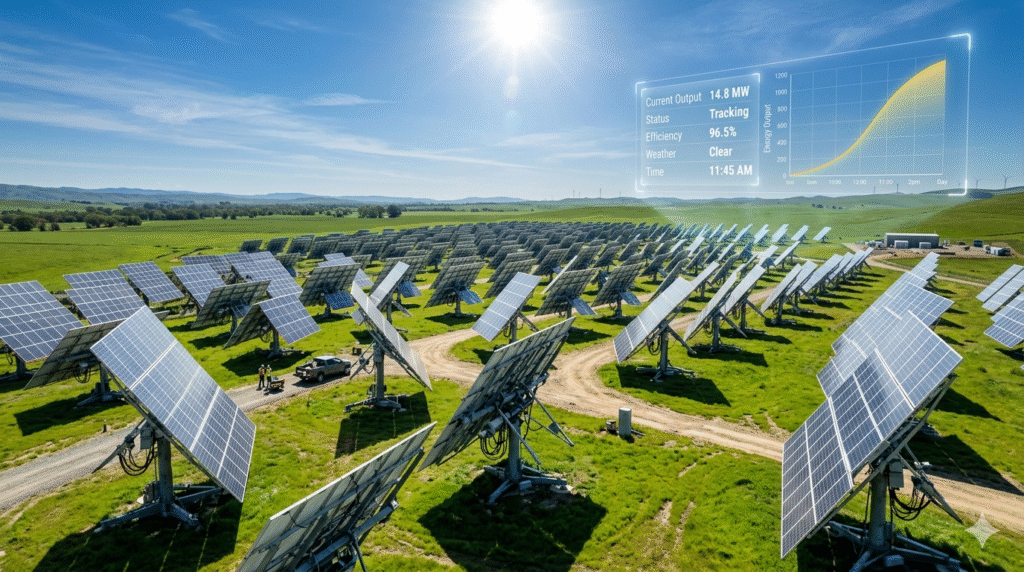
Most homeowners assume solar panels are “set and forget.” Install them, let the sun do its job, and collect savings. But here’s the uncomfortable truth: fixed solar panels don’t capture maximum sunlight throughout the day.
That’s where solar trackers come in.
Instead of staying in one position, solar trackers move your panels to follow the sun’s path. The claim? Up to 30% more energy output. Sounds impressive—but is it practical, or just marketing hype?
If you’re considering upgrading your system with VMJ Solar Solutions, this is a decision that directly impacts your long-term returns.
2. What is a Solar Tracker?
A solar tracker is a device that adjusts the angle of solar panels throughout the day to ensure they face the sun as directly as possible.
Types of Solar Trackers:
1. Single-Axis Trackers
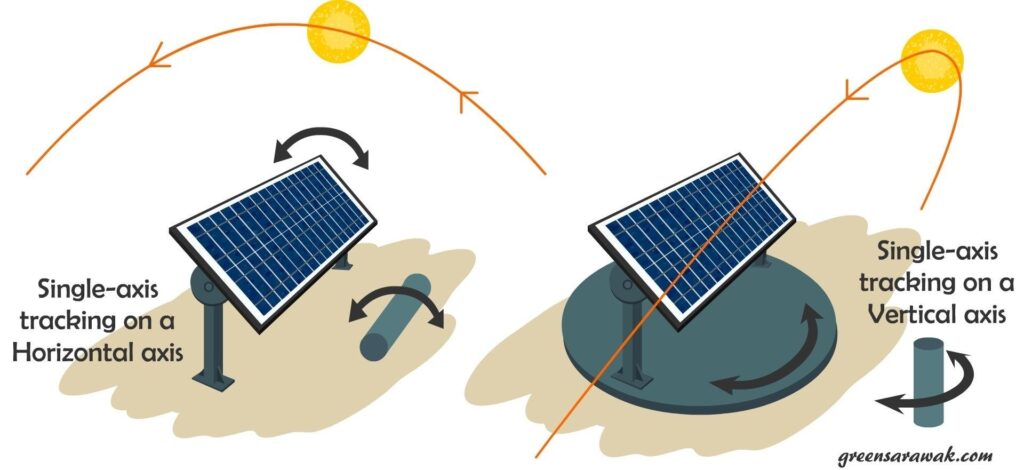
- Moves panels from east to west
- Follows the sun’s daily path
- Most common and cost-effective
2. Dual-Axis Trackers
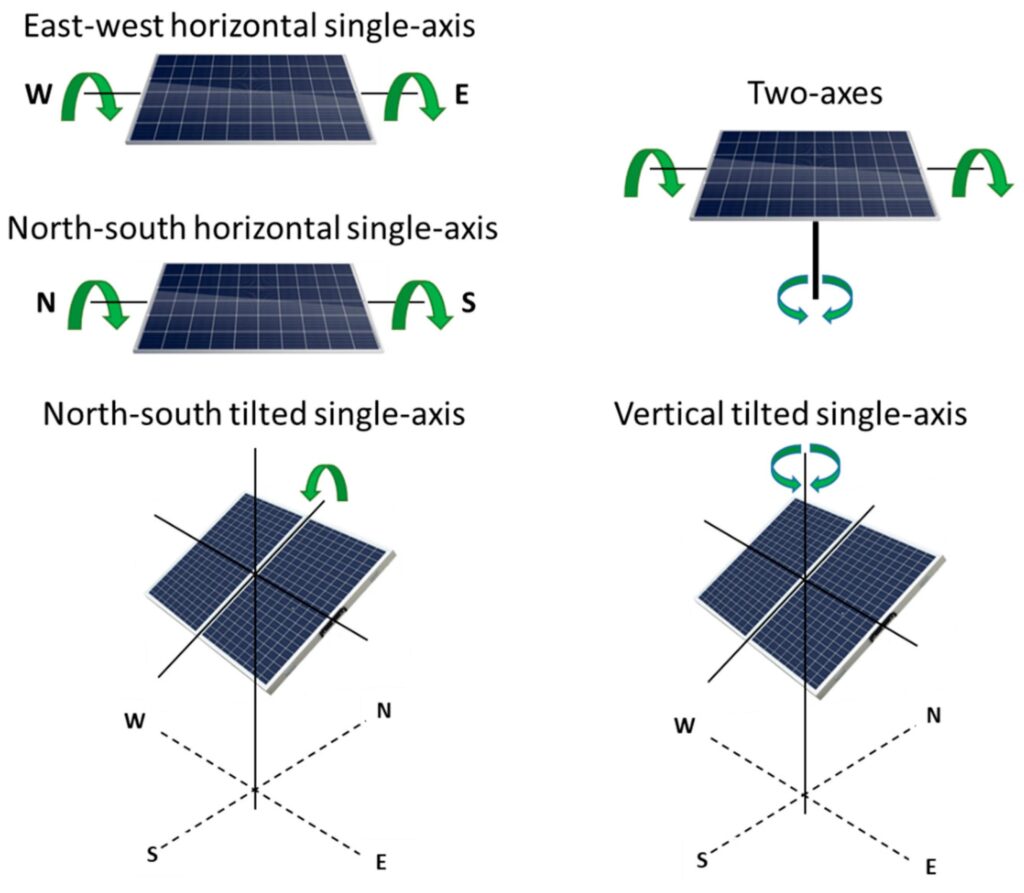
- Moves both horizontally and vertically
- Tracks seasonal sun changes
- Offers maximum efficiency
How It Works:
- Sensors detect sunlight intensity
- Motors adjust panel position in real-time
- Panels maintain optimal angle throughout the day
The result? More direct sunlight = more electricity.
3. Role of Solar Trackers in Energy Optimization
Let’s challenge a common assumption: more panels always mean more power.
Not necessarily.
Solar trackers focus on efficiency, not just expansion.
How They Improve Output:
1. Maximum Sun Exposure
Fixed panels only hit peak efficiency for a short window (midday). Trackers extend that window from sunrise to sunset.
2. Better Morning and Evening Performance
Energy production increases during low-angle sunlight hours—when fixed panels underperform.
3. Seasonal Adaptation
Dual-axis trackers adjust for changing sun angles across seasons, ensuring year-round optimization.
4. Space Efficiency
Instead of installing more panels, you extract more output from the same number of panels.
But here’s the trade-off most people ignore: you’re adding mechanical complexity to a system that’s otherwise simple.
4. Benefits of Solar Trackers
1. Increased Energy Output
Yes, the 20–30% boost is real—especially in regions with strong sunlight like India.
2. Faster ROI (In the Right Conditions)
Higher output means:
- More savings
- Shorter payback period
But only if installation and maintenance costs are justified.
3. Ideal for Ground-Mounted Systems
Trackers work best where space isn’t a constraint—like farms or commercial setups.
4. Improved Energy Consistency
More stable energy production throughout the day, not just peak hours.
5. Future Trends: What to Expect in 2026
Solar trackers are evolving, but not always in ways homeowners expect.
AI-Enhanced Tracking
Modern systems use AI to:
- Predict weather conditions
- Adjust positioning before sunlight changes
- Reduce unnecessary movement (saving energy)
Hybrid Systems
Combining:
- Smart inverters
- Battery storage
- Solar trackers
This creates a fully optimized energy ecosystem.
Cost Reduction
As adoption increases, tracker systems are becoming more affordable—but still not “cheap.”
Smart Maintenance Alerts
Trackers now detect:
- Motor issues
- Alignment errors
- Performance drops
Before they become costly problems.
6. FAQs
Q1: Do solar trackers really increase output by 30%?
Yes, but typically in ideal conditions. Real-world gains are often between 15–25%, depending on location and system design.
Q2: Are solar trackers suitable for rooftop systems?
Usually not. They are bulky and better suited for ground-mounted installations.
Q3: Do solar trackers require maintenance?
Yes. Unlike fixed panels, trackers have moving parts that need periodic maintenance.
Q4: Are they worth it for residential homes?
In most cases, no. The added cost and complexity may outweigh the benefits for small rooftop systems.
Q5: Can trackers work with existing solar systems?
Yes, but retrofitting can be expensive and technically challenging.
Conclusion
Solar trackers offer a clear advantage: more energy from the same panels. But that doesn’t automatically make them the right choice for everyone.
If you’re working with limited rooftop space, the complexity and cost may not justify the gains. On the other hand, for large-scale or ground-mounted systems, trackers can significantly improve performance and returns.
Here’s the bottom line:
If your goal is maximum efficiency and you have the right setup, solar trackers are worth considering. If not, you might be better off optimizing other parts of your solar system.
With VMJ Solar Solutions, the smarter move isn’t just adopting new technology—it’s choosing the right technology for your specific situation.