
Electricity demand isn’t the same throughout the day. It peaks in the morning and evening when people use lights, appliances, and cooling systems, and dips in the middle of the night. Utilities charge more during peak hours, making electricity expensive for both households and businesses.
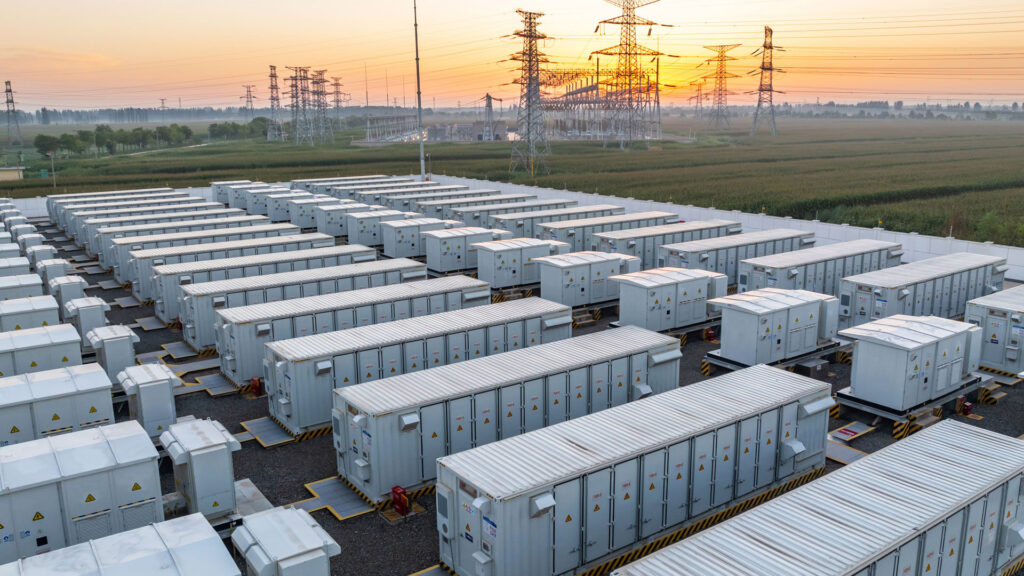
This is where Battery Energy Storage Systems (BESS) become a game-changer. By storing electricity when it’s cheap or from solar panels, and using it when demand (and prices) are high, BESS enables peak load management and cost savings through demand shifting.
At VMJ Solar, we design smart BESS solutions that help homes and industries avoid high tariffs, reduce grid stress, and maximize savings.
What is Peak Load Management?
Peak load management is the practice of reducing electricity consumption during peak demand hours and shifting it to non-peak times.
- For consumers → It means lower bills.
- For utilities → It means a more stable grid.
- For the environment → It means less dependence on fossil-fuel peaker plants.
How BESS Enables Demand Shifting
- Charging Phase
- During low-demand hours or when solar power is abundant, the battery stores energy.
- Electricity costs are lower, and solar generation ensures “free” charging.
- Discharging Phase
- During peak demand (e.g., 6–10 PM), the battery discharges stored power.
- This avoids high grid tariffs and reduces peak load charges.
👉 Result: Lower electricity bills + reduced strain on the power grid.
Example – Residential Peak Shaving with BESS
Let’s say a 5 kW solar + 10 kWh BESS system is installed in a home:
- Daytime: Solar produces surplus power → charges the battery.
- Evening (peak hours, Rs8–10 per unit): Battery supplies energy, avoiding costly grid power.
- Night (off-peak, Rs4–5 per unit): Grid power used only if required.
👉 Savings: Up to Rs1,000–Rs1,500/month just from shifting demand away from peak hours.
Commercial & Industrial Peak Load Management
Industries face demand charges based on their highest power draw in a month. These charges can account for 30–40% of their electricity bills.
With BESS:
- Store cheap/off-peak power.
- Discharge during demand spikes.
- Flatten the load curve → reduce demand charges significantly.
👉 For factories, offices, and hospitals, this can mean lakhs of rupees saved annually.
Environmental Benefits
- Reduces reliance on fossil-fuel peaker plants, which are expensive and polluting.
- Cuts carbon footprint by storing and using more renewable energy.
- Supports grid stability as India adds more solar and wind capacity.
Why VMJ Solar Recommends BESS for Peak Management
- Tailored solar + storage design to match your usage profile.
- Integration with time-of-use tariffs and demand charge optimization.
- Use of advanced lithium batteries with long life and high efficiency.
- Monitoring systems to track savings and performance.
At VMJ Solar, we ensure your BESS system isn’t just backup — it’s a cost-saving tool.
FAQs
Q1: Do I need solar to benefit from BESS?
Not necessarily. Even without solar, BESS can store grid power during cheap hours and discharge during peak hours.
Q2: How much can businesses save with BESS?
Industries can reduce demand charges by 20–40%, depending on load profiles and tariffs.
Q3: Is BESS scalable for large industries?
Yes. From small residential batteries to multi-MWh industrial systems, BESS is fully scalable.
Conclusion
As electricity tariffs rise and demand peaks strain our grid, Battery Energy Storage Systems are becoming essential. For homeowners, BESS cuts evening power costs. For businesses, it reduces heavy demand charges. For utilities, it ensures a stable, reliable grid.
At VMJ Solar, we don’t just install solar — we deliver solar + storage solutions that help you save money, achieve energy independence, and contribute to a cleaner planet.
⚡ With BESS, peak load management is no longer a challenge — it’s an opportunity.