
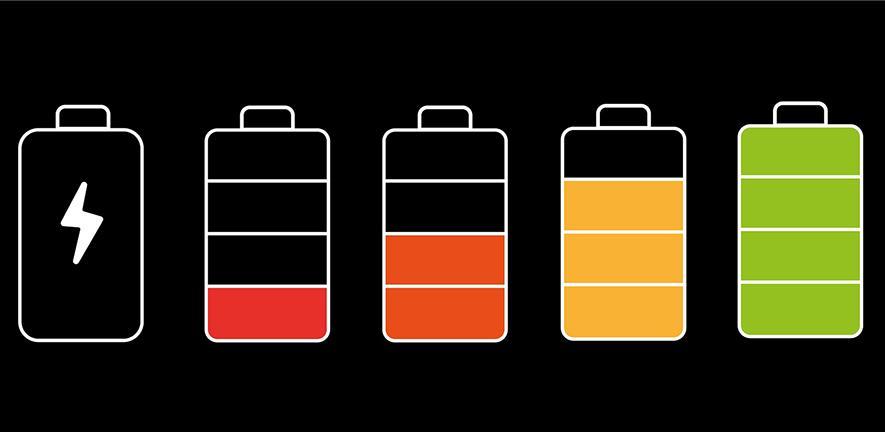
When investing in Battery Energy Storage Systems (BESS), one of the most common terms you’ll hear is “charge/discharge cycles” or simply “battery cycles.”
But what exactly does this mean, and why is it so important?
In simple terms, a cycle is one full charge and discharge of a battery. The number of cycles a battery can complete before its capacity drops significantly determines its lifespan and return on investment (ROI).
At VMJ Solar, we believe understanding cycles helps customers make smarter decisions about solar + storage systems. Let’s dive deeper.
What is a Battery Cycle?
- One cycle = charging a battery from empty (0–100%) and then discharging it back down.
- In practice, most batteries don’t operate from 0–100% — they work within a range, known as Depth of Discharge (DoD).
👉 Example: If a 10 kWh battery discharges 5 kWh (50%) and recharges, that counts as half a cycle. Two half-cycles = one full cycle.
Why Cycles Matter
- Lifespan: Batteries degrade with use. The more cycles, the longer it lasts.
- Cost-effectiveness: Cycle life affects cost per kWh delivered over the battery’s lifetime.
- Performance: High-quality batteries maintain capacity even after thousands of cycles.
Typical Cycle Life by Battery Type
| Battery Type | Depth of Discharge (DoD) | Average Cycle Life | Lifespan (Years) |
|---|---|---|---|
| Lead-Acid | 50–60% | 500–1,500 | 3–5 |
| Lithium-ion (NMC) | 80–90% | 2,500–4,000 | 8–12 |
| Lithium Iron Phosphate (LiFePO₄) | 90–95% | 4,000–6,000+ | 10–15 |
| Sodium-ion (Emerging) | 80–90% | 2,000–4,000 | 7–10 |
👉 This shows why lithium batteries (especially LiFePO₄) are preferred for solar + storage.
Key Factors Affecting Battery Cycles
1. Depth of Discharge (DoD)
- Deeper discharges reduce cycle life.
- Example: A battery discharged to 100% daily will degrade faster than one discharged to 50%.
2. Charge/Discharge Rate (C-Rate)
- Fast charging or discharging stresses the battery.
- Lower C-rates improve cycle life.
3. Operating Temperature
- Extreme heat or cold reduces battery health.
- Optimal range: 20–30°C for most lithium batteries.
4. Battery Chemistry
- Different chemistries handle cycles differently.
- LiFePO₄ is currently the most cycle-friendly option.
5. Maintenance & Management
- Proper Battery Management System (BMS) ensures safe charging/discharging.
- Prevents overcharging, deep discharging, and overheating.
Real-Life Example of Cycles
Suppose you install a 10 kWh LiFePO₄ battery with a cycle life of 5,000 cycles at 90% DoD:
- Usable energy per cycle = 9 kWh
- Total lifetime energy = 9 × 5,000 = 45,000 kWh
- If the battery cost is ₹5,00,000, cost per kWh = ₹11.1/kWh over its life.
👉 Shows how cycle life directly impacts ROI.
Why Understanding Cycles is Important for You
- Helps you choose the right battery type for your application.
- Ensures realistic expectations for lifespan and savings.
- Allows comparison of different BESS solutions beyond just upfront cost.
VMJ Solar’s Approach
At VMJ Solar, we only recommend batteries with proven high cycle life to maximize returns. Our experts also consider:
- Your energy needs
- Daily load patterns
- Expected battery cycling per day
- ROI vs upfront cost
This ensures your solar + storage system delivers reliable power for years to come.
FAQs
1: Does charging my battery daily reduce its life?
Not necessarily — lithium batteries are designed for daily cycling.
2: Can partial charging extend cycle life?
Yes. Keeping batteries between 20–80% SoC can improve lifespan.
3: How many cycles equal 10 years?
If you cycle once daily, 10 years ≈ 3,650 cycles. Choose a battery rated above this for 10+ years use.
Conclusion
Battery cycles are the heartbeat of energy storage. By understanding charging and discharging cycles, you can make smarter choices about which battery fits your home, business, or industry.
The right battery doesn’t just power your home — it powers your future savings and sustainability goals.
At VMJ Solar, we provide expert guidance on selecting BESS with the best cycle life, ROI, and reliability so you get the maximum value from your investment.