
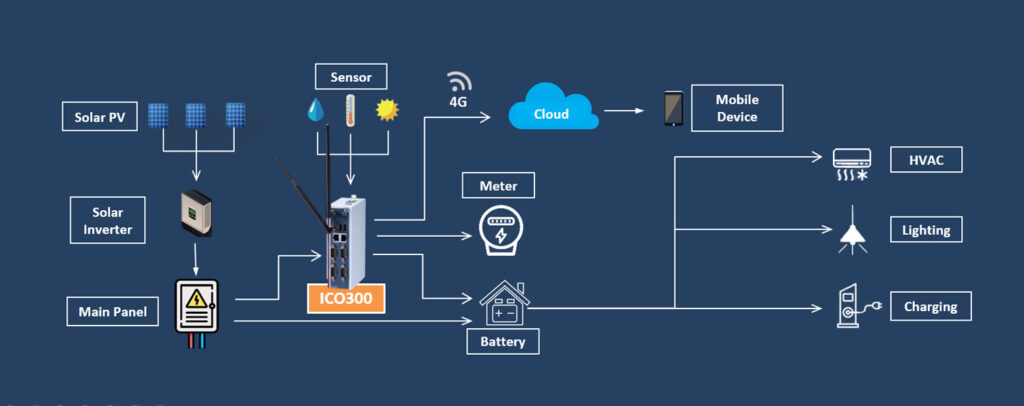
With the rapid growth of solar energy and Battery Energy Storage Systems (BESS), one component has become absolutely critical: the Battery Management System (BMS).
Think of the BMS as the brain of the battery. Just like the human body relies on the brain to monitor and control vital functions, a battery relies on the BMS to manage its health, safety, and performance.
At VMJ Solar, we ensure that every solar + storage solution we deliver includes a robust BMS — because it’s the difference between a battery that lasts for years and one that fails prematurely.
What is a Battery Management System (BMS)?
A Battery Management System is an electronic system that monitors, regulates, and protects batteries during charging and discharging.
Its main functions include:
- Monitoring battery voltage, current, and temperature.
- Preventing overcharging and deep discharging.
- Balancing cells to ensure even performance.
- Communicating data to users and inverters.
👉 In short: A BMS ensures safety, efficiency, and longevity of your battery system.
Why is BMS So Important?
1. Safety First
- Prevents overheating, short circuits, and thermal runaway.
- Protects against fire hazards in high-capacity batteries.
2. Extends Battery Life
- Ensures batteries operate within safe voltage and temperature ranges.
- Avoids stress that reduces cycle life.
3. Improves Efficiency
- Optimizes charging and discharging.
- Reduces energy loss, improving overall system performance.
4. Cell Balancing
- Keeps all battery cells charged evenly.
- Prevents weak cells from limiting system performance.
5. Real-Time Monitoring
- Tracks performance and health of the battery pack.
- Provides early warnings of potential issues.
6. Integration with Solar & Grid
- Communicates with inverters and energy management systems.
- Enables smart functions like peak shaving, demand response, and grid servic
Types of Battery Management Systems
| Type of BMS | Functionality | Best For |
|---|---|---|
| Passive BMS | Balances cells by dissipating excess energy as heat | Small-scale systems |
| Active BMS | Redistributes excess charge between cells | Large-scale & critical applications |
| Centralized BMS | Single controller for all cells | Compact, low-cost systems |
| Distributed BMS | Each cell has its own controller | High reliability systems |
| Modular BMS | Combines centralized + distributed features | Scalable storage systems |
Real-Life Impact of BMS
Imagine a 100 kWh BESS without a proper BMS:
- A single weak cell overheats.
- Without balancing, the pack degrades faster.
- Risk of failure or fire increases.
👉 With a BMS, the system detects imbalance, reduces load, and ensures safe, reliable operation.
Why VMJ Solar Trusts Strong BMS Systems
At VMJ Solar, we prioritize safety and performance by:
- Using LiFePO₄ batteries with advanced BMS.
- Ensuring compliance with global safety standards (UL 9540, IEC 62619).
- Offering remote monitoring for homeowners and industries.
- Providing scalable BMS solutions for both residential and commercial systems.
FAQs
1: Can a battery work without a BMS?
Technically yes, but it’s unsafe and shortens battery life drastically.
2: Which is better — active or passive BMS?
Active BMS is more efficient and suitable for larger systems, while passive is cheaper for smaller setups.
3: Does BMS add extra cost?
Yes, but it protects your investment and ensures ROI by extending battery life.
Conclusion
The Battery Management System (BMS) is the unsung hero of modern energy storage. Without it, even the best solar + storage system is vulnerable to safety issues, inefficiency, and premature failure.
At VMJ Solar, we integrate only the highest-quality BMS solutions to ensure every customer enjoys reliable, safe, and long-lasting power.
⚡ A strong battery needs a strong brain — and that’s what the BMS provides.