
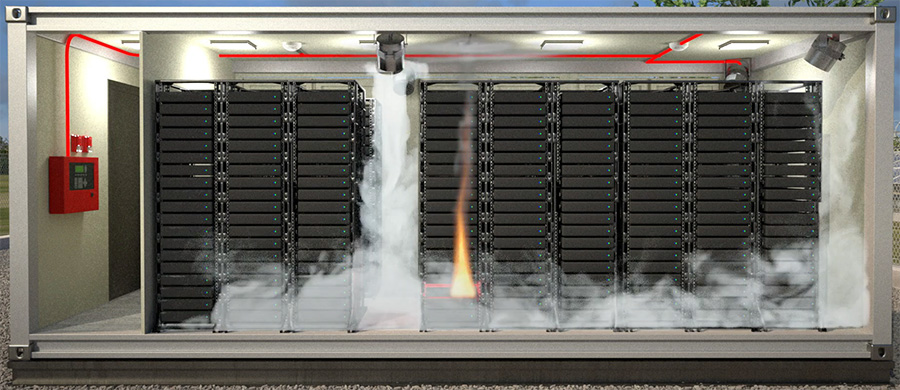
Battery Energy Storage Systems (BESS) are playing a vital role in enabling renewable energy adoption. However, like any electrical system, they come with potential risks — the most critical being fire hazards.
With the rise of large-scale lithium-ion installations worldwide, fire safety in BESS has become a top priority for regulators, manufacturers, and installers. At VMJ Solar, we believe safety is not optional — it is the foundation of every solar + storage solution.
This blog will walk you through the fire safety challenges, causes, and risk management practices for BESS.
Why Fire Safety in BESS Matters
- High energy density in batteries increases potential fire risks.
- Thermal runaway (a chain reaction inside cells) can cause rapid overheating and fire.
- BESS units are often installed near homes, businesses, or critical infrastructure.
- Incidents, though rare, can cause property damage, outages, and safety concerns.
👉 With the right design, materials, and safety systems, these risks can be greatly minimized.
Common Causes of BESS Fires
1. Thermal Runaway
- Overcharging, overheating, or internal cell damage can cause runaway heating.
- Results in fire or even explosion if not contained.
2. Electrical Failures
- Short circuits, faulty wiring, or inverter issues can spark fires.
3. Mechanical Damage
- Physical impact or poor handling can damage cells, creating internal shorts.
4. Environmental Factors
- Poor ventilation, extreme heat, or moisture ingress can increase fire risks.
Risk Management Strategies
1. Safe Battery Chemistry
- Lithium Iron Phosphate (LiFePO₄) batteries are far more stable and safer than traditional lithium-ion (NMC).
- Choosing the right chemistry reduces fire risk significantly.
2. Battery Management System (BMS)
- Monitors temperature, voltage, and current in real time.
- Prevents overcharging, over-discharging, and overheating.
- Automatically shuts down unsafe operations.
3. Thermal Management
- Active cooling (liquid or air) keeps cells at safe operating temperatures.
- Prevents hotspots that trigger thermal runaway.
4. Fire Detection & Suppression Systems
- Smoke and gas detectors for early warning.
- Fire suppression using inert gases or aerosols to prevent spread.
5. Proper Installation & Ventilation
- Install batteries in fire-rated enclosures.
- Maintain spacing for heat dissipation.
- Ensure proper ventilation to avoid gas buildup.
6. Compliance with Standards
- Follow international codes such as NFPA 855, UL 9540, IEC 62933.
- Local fire and electrical safety regulations must be strictly adhered to.
7. Regular Inspections & Maintenance
- Routine checks for wiring, insulation, and temperature fluctuations.
- Early detection of wear-and-tear avoids major risks.
Real-World Lessons
- South Korea (2018–2020): Over 20 BESS fire incidents due to inadequate safety systems highlighted the importance of strict standards.
- Arizona, USA (2019): A utility-scale BESS fire underlined the role of BMS and ventilation failures in triggering thermal runaway.
👉 Today, with improved design and monitoring, the global industry is safer and more reliable.
VMJ Solar’s Approach to Fire Safety in BESS
At VMJ Solar, every solar + storage system is designed with safety first:
- Use of LiFePO₄ chemistry for maximum stability.
- Advanced Battery Management Systems for 24/7 monitoring.
- Fire-rated enclosures with proper thermal and ventilation systems.
- Compliance with international and Indian safety standards.
- Ongoing maintenance and support to ensure long-term reliability.
FAQs
1: Are BESS systems safe for homes?
Yes, when designed with safe chemistry, BMS, and proper installation, they are safe.
2: Which battery type is safest?
LiFePO₄ is currently the safest widely available option for solar + storage.
3: Can BESS fires be completely prevented?
While risk can’t be 100% eliminated, it can be reduced to near zero with proper design and standards.
Conclusion
Fire safety and risk management in BESS are not optional — they are essential. With the right chemistry, advanced monitoring, and compliance with global safety standards, BESS can operate safely for 10–15 years without incidents.
At VMJ Solar, we combine technology, safety, and expertise to deliver solar + storage solutions that not only power your home or business but also give you peace of mind.
⚡ Clean energy is powerful. With the right risk management, it’s also safe.