
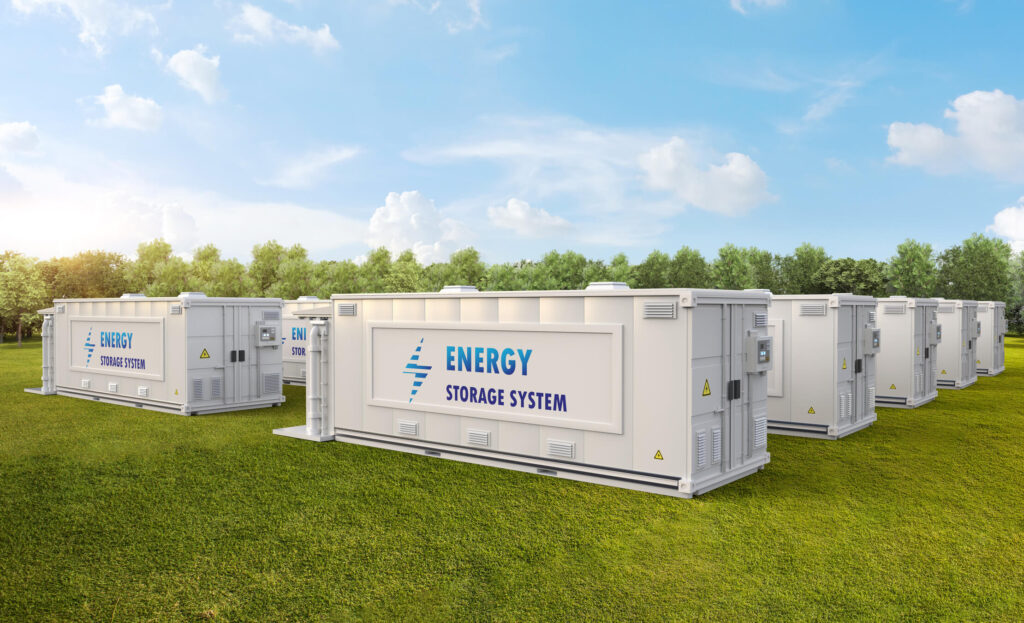
For homes, a Battery Energy Storage System (BESS) means backup and lower electricity bills. But in the commercial and industrial (C&I) sector, the potential of BESS is much bigger. Factories, offices, hospitals, and data centers face high demand charges, power quality issues, and the need for uninterrupted supply.
At VMJ Solar, we’ve seen how BESS can transform the way businesses manage energy — saving costs, increasing reliability, and supporting sustainability goals. Let’s dive into the applications.
Why Businesses Need BESS
- High electricity tariffs during peak demand hours.
- Demand charges that make up 30–40% of monthly bills.
- Power outages that can cause massive production losses.
- Sustainability targets and pressure to reduce carbon footprints.
BESS offers solutions to all of these challenges.
Key Commercial & Industrial Applications of BESS
1. Peak Load Management (Demand Shaving)
- Problem: Utilities charge industries based on their highest demand spike in a billing cycle.
- BESS Solution: Store energy during off-peak times and discharge during peak hours.
👉 Result: Lower demand charges and smoother load curves.
Backup Power for Critical Operations
- In hospitals, IT parks, and factories, even a few minutes of outage can cause huge losses.
- BESS provides instant, silent backup without the delay of diesel generators.
👉 Ensures uninterrupted production and safety.
Energy Cost Optimization with Time-of-Use Tariffs
- Many utilities have TOU pricing (higher rates in the evening, lower at night).
- BESS allows businesses to shift consumption away from costly peak periods.
👉 Savings of 10–25% on monthly energy bills.
Renewable Energy Integration
- C&I rooftops are ideal for solar installations.
- With BESS, businesses can store excess solar for nighttime or cloudy days.
👉 Increases solar self-consumption and ROI.
Power Quality & Reliability
- BESS provides voltage support, frequency regulation, and harmonic control.
- Protects sensitive equipment in industries like pharma, textiles, and electronics.
Microgrids & Remote Operations
- For industries operating in remote or off-grid areas, solar + BESS offers independence.
- Reduces reliance on costly diesel generators.
Example: Industrial BESS Savings
A textile factory with a 1 MW peak demand installs a 500 kWh BESS:
- Peak shaving reduces demand charges by 20–30%.
- Solar + storage cuts annual electricity costs by Rs20–30 lakhs.
- Payback in 5–6 years, followed by long-term savings
Environmental Benefits
- Cuts down diesel generator use, reducing CO₂ and local air pollution.
- Supports corporate sustainability and ESG reporting.
- Positions industries as green leaders in their sector.
Why VMJ Solar for C&I BESS?
- Expertise in designing large-scale solar + storage projects.
- Use of certified, high-efficiency lithium batteries.
- Solutions tailored for cost savings, backup, and reliability.
- End-to-end services: design, installation, monitoring, and support.
At VMJ Solar, we don’t just reduce bills — we help businesses future-proof their operations.
FAQs
1: Is BESS cost-effective for industries?
Yes. While initial costs are high, savings from demand charge reduction and backup reliability often result in ROI within 5–7 years.
2: Can BESS replace diesel generators in industries?
In many cases, yes. For very large loads, a hybrid system (BESS + generator) may still be optimal.
3: How scalable is BESS for industries?
BESS can range from hundreds of kWh to multi-MWh systems, depending on business needs.
Conclusion
For commercial and industrial users, BESS is more than just storage. It’s a powerful tool for:
✅ Lowering electricity costs
✅ Ensuring reliability
✅ Achieving sustainability goals
At VMJ Solar, we design BESS systems that deliver measurable savings and long-term energy security — helping businesses stay competitive in a world where energy costs and sustainability matter more than ever.
⚡ Invest in storage today, and power your business smarter tomorrow.