
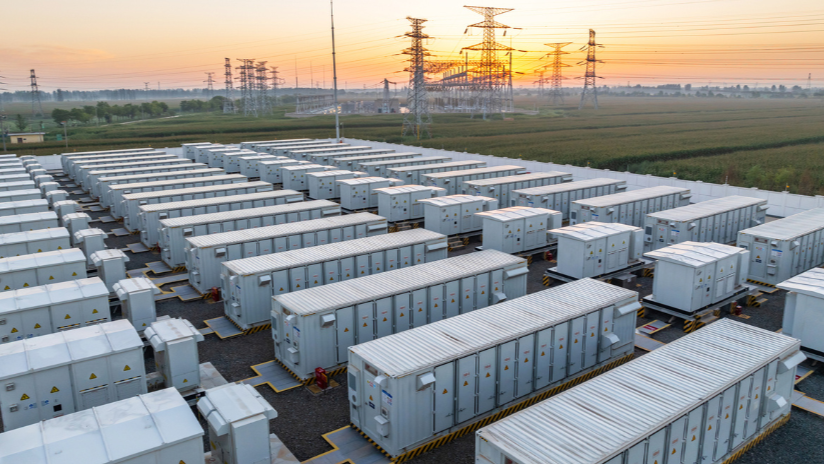
As India’s electricity demand continues to rise, our grid faces new challenges: fluctuating loads, renewable intermittency, and frequent outages. To ensure smooth and reliable power supply, utilities need more than just generation capacity — they need flexibility.
This is where Battery Energy Storage Systems (BESS) play a critical role. By storing energy and releasing it when needed, BESS acts as a stabilizer for the grid, improving reliability for both consumers and utilities.
At VMJ Solar, we believe BESS is not just for backup power — it’s the backbone of a smarter, more resilient energy system.
The Challenges of Modern Grids
- Demand Fluctuations – Power demand peaks in the morning and evening, stressing the grid.
- Renewable Intermittency – Solar and wind don’t produce consistently, causing sudden drops or surges.
- Grid Frequency Instability – Even small mismatches between supply and demand can destabilize frequency.
- Outages and Blackouts – Overloaded grids often fail, leading to costly power cuts.
How BESS Improves Grid Stability
1. Frequency Regulation
- BESS reacts within milliseconds to fluctuations.
- Balances supply and demand instantly, keeping frequency stable at 50 Hz.
2. Voltage Support
- Provides reactive power support to maintain voltage levels.
- Prevents grid failures due to voltage sags or surges.
3. Load Shifting
- Stores power during low-demand hours.
- Discharges during peak demand, reducing grid stress.
4. Renewable Integration
- Smooths out variability from solar and wind.
- Reduces the need for curtailment when production exceeds demand.
5. Black Start Capability
- Can restart the grid after a major blackout without external power.
Example: Grid + BESS in Action
Imagine a city with 500 MW solar generation:
- Afternoon → Solar generates more than needed. Surplus stored in BESS.
- Evening → Solar drops, demand rises. BESS discharges to meet load.
👉 Result: Stable supply, fewer outages, and reduced reliance on fossil-fuel peaker plants.
Benefits for Consumers & Utilities
- For Consumers: Fewer outages, better power quality, stable tariffs.
- For Utilities: Lower costs for balancing, reduced transmission losses.
- For the Nation: Accelerates renewable adoption, strengthens energy security.
Environmental Impact
- Cuts reliance on coal and diesel peaker plants.
- Reduces carbon emissions and local air pollution.
- Makes renewable energy truly round-the-clock.
Why VMJ Solar Supports BESS for Grid Stability
- Expertise in solar + storage integration for both homes and industries.
- Deployment of certified, high-efficiency batteries.
- Scalable solutions — from residential setups to utility-scale storage projects.
At VMJ Solar, we don’t just install systems — we build a resilient energy future.
FAQs
1: Can BESS completely replace coal plants for stability?
Not yet, but with large-scale adoption, BESS can replace peaker plants and support renewables for most grid balancing needs.
2: How fast can BESS respond compared to traditional systems?
BESS reacts in milliseconds, much faster than thermal or hydro systems.
3: Is BESS cost-effective for utilities?
Yes. While upfront costs are high, savings in avoided blackouts, reduced fuel use, and efficient balancing make BESS financially viable.
Conclusion
Grid stability is no longer about building more power plants — it’s about using smarter technology. Battery Energy Storage Systems are the key to a reliable, renewable-powered future.
With BESS, India can achieve:
✅ Fewer outages
✅ Cleaner energy mix
✅ Greater consumer satisfaction
At VMJ Solar, we are committed to deploying solar + storage solutions that support both individual households and the national grid.
⚡ The future of reliable electricity isn’t in fossil fuels — it’s in storage.