
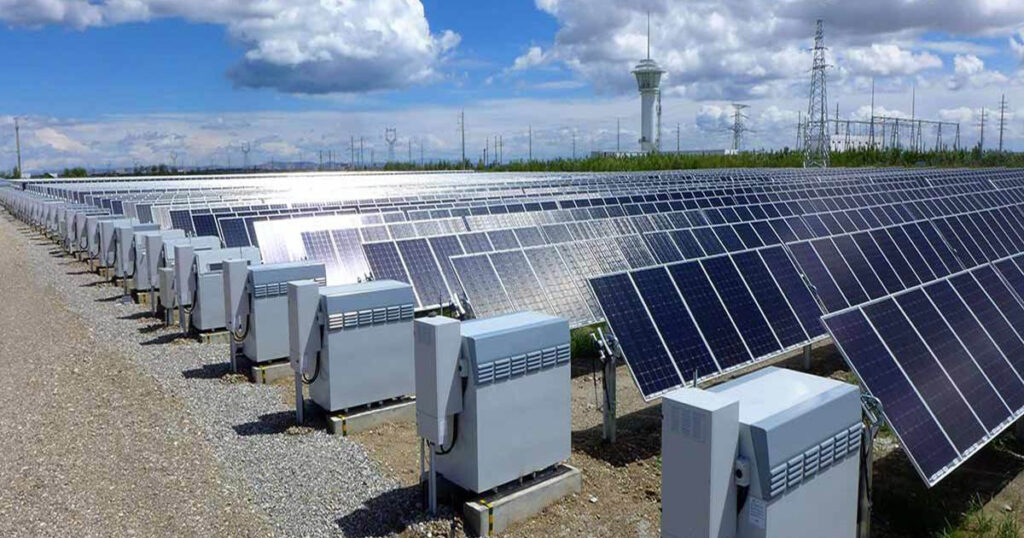
Electricity bills are rising. Peak hours cost more. Grid outages or dependence increases expenses. That’s why combining solar PV with Battery Energy Storage Systems (BESS) is becoming one of the smartest moves homeowners and businesses can make.
At VMJ Solar, we believe BESS isn’t just a backup—it’s a powerful tool to cut bills, gain energy independence, and maximize savings. This blog dives deep into how exactly BESS reduces electricity bills, what influences the savings, what costs to watch out for, and what the future looks like.
Key Mechanisms: How BESS Cuts Down Your Bill
Here are the main ways BESS helps reduce your electricity costs:
- Peak Shaving / Demand Charge Reduction
- Many electricity bills (especially commercial / industrial but increasingly residential in certain schemes) include demand charges based on your highest usage in short intervals. BESS allows you to discharge stored energy during those peak periods so you draw less from the grid, lowering demand charges
- Even for homes, if there are time-of-use (TOU) tariffs, you can avoid expensive grid power in peak times.
- Self-Consumption of Solar Energy
- Without batteries, solar power generated midday (when panels produce most) may go unused or be exported at lower grid credit. With BESS, you store that surplus and use it when solar is not available (evening, cloudy days). This reduces imported electricity
3.Time-of-Use Arbitrage
- Charging batteries during off-peak hours (when grid electricity cost is lower) and using that stored power during peak hours (when grid cost is high) can reduce the cost of energy consumed
4. Avoided Cost of Backup & Generator Use
- In areas with unreliable supply, people run diesel/gas generators or pay for backup. BESS reduces or eliminates that cost.
5. Reducing Transmission & Tariff Penalties
- In some electricity billing schemes, there are penalties for high demand or low power factor. Proper use of battery storage can mitigate those.
Recent Trends & Costs in India
- According to ICRA, battery storage cost has dropped from over ~Rs8-₹9/unit in 2022 to ~Rs6-7/unit now.
- Solar-plus-storage systems are delivering “24/7 clean power with ~95% availability” at costs under Rs6/kWh in recent Indian tenders.
- The Levelized Cost of Storage (LCOS) for standalone BESS is projected to fall further by 2030 (estimates ~Rs4-Rs5/kWh for some projects) as battery manufacturing and technology improve
Sample Savings Calculation
| Parameter | Value |
|---|---|
| Solar + BESS system size | 5 kW solar + ~10-12 kWh battery |
| Daily solar generation | ~20-25 kWh |
| Storage usage (evening, peak hours) | ~10 kWh |
| Grid import without BESS | ~10 kWh in peak times/day |
| Peak Tariff Rate | Rs8/unit (for peak hours) |
| Off-Peak Tariff Rate | Rs4/unit (assumed) |
- Without BESS, those 10 kWh of peak usage cost: 10 ×Rs8 = Rs80/day extra
- With BESS, stored off-peak power replaces peak grid power → cost: 10 × Rs4 = Rs40/day
- Daily savings: ₹40 → ~Rs1,200/month → Rs14,400/year just from time-of-use shifting alone.
Add savings from self-consumption, reduced demand charges, reduced generator/backup costs, and over years, BESS can cut 20-40% of your electricity bill in many cases (depending on use pattern).
What Affects How Much You Save
To get maximum benefit, several factors matter:
- Tariff structure: TOU tariffs, demand charges, peak/off-peak pricing help more.
- Battery size and duration: Too small and you can’t cover peak; too large and capital cost may outweigh savings.
- Battery cycle life and efficiency: Losses from charging/discharging, depth of discharge, degradation matter.
- Solar generation amount: More solar → more surplus to store.
- Local electricity costs: Higher grid tariffs → faster savings.
VMJ Solar’s Approach to Maximizing Savings with BESS
We optimize battery sizing to match your load and peak shadows.
Use high-efficiency Lithium-Ion or LFP chemistry with long cycle life to minimize degradation.
Design system to maximize self-consumption and reduce dependence on grid in peak hours.
Offer net metering support and monitoring to ensure usage patterns are optimized.
FAQs
1: Does BESS make sense for a small house?
Yes — if your electricity tariff has peak pricing and you use power during peak hours or face frequent outages. Even modest battery sizes can yield noticeable savings.
2: Will battery costs outweigh savings?
Not with recent price drops. Current LCOS and tender rates show that solar-plus-storage can provide clean power at competitive prices (<₹6/kWh) in many Indian contexts. Saur Energy+1
3: How long do battery systems last?
Modern lithium batteries last ~8-12 years (depending on cycle life and usage). Good systems are designed for 25+ years of panel life, though battery pack replacements may be needed once or more.
4: Are there subsidies or incentives for solar + storage in India?
Some state and central schemes are exploring incentives; falling battery cost itself acts like a subsidy. Stay updated with local DISCOM / MNRE notifications.
Conclusion
BESS is no longer just a luxury—it’s a game changer for reducing electricity bills. By storing solar energy, shifting loads, avoiding peak charges, and increasing self-consumption, you can drive down your power cost significantly.
With battery costs declining, tariff advantages in many places, and solar + storage systems becoming more accessible, now is a great time to invest.
At VMJ Solar, we build systems that not only generate solar power, but store intelligence and savings—ensuring your bills go down, your independence goes up, and your investment becomes financially meaningful.